Broxburn United
Sports Club
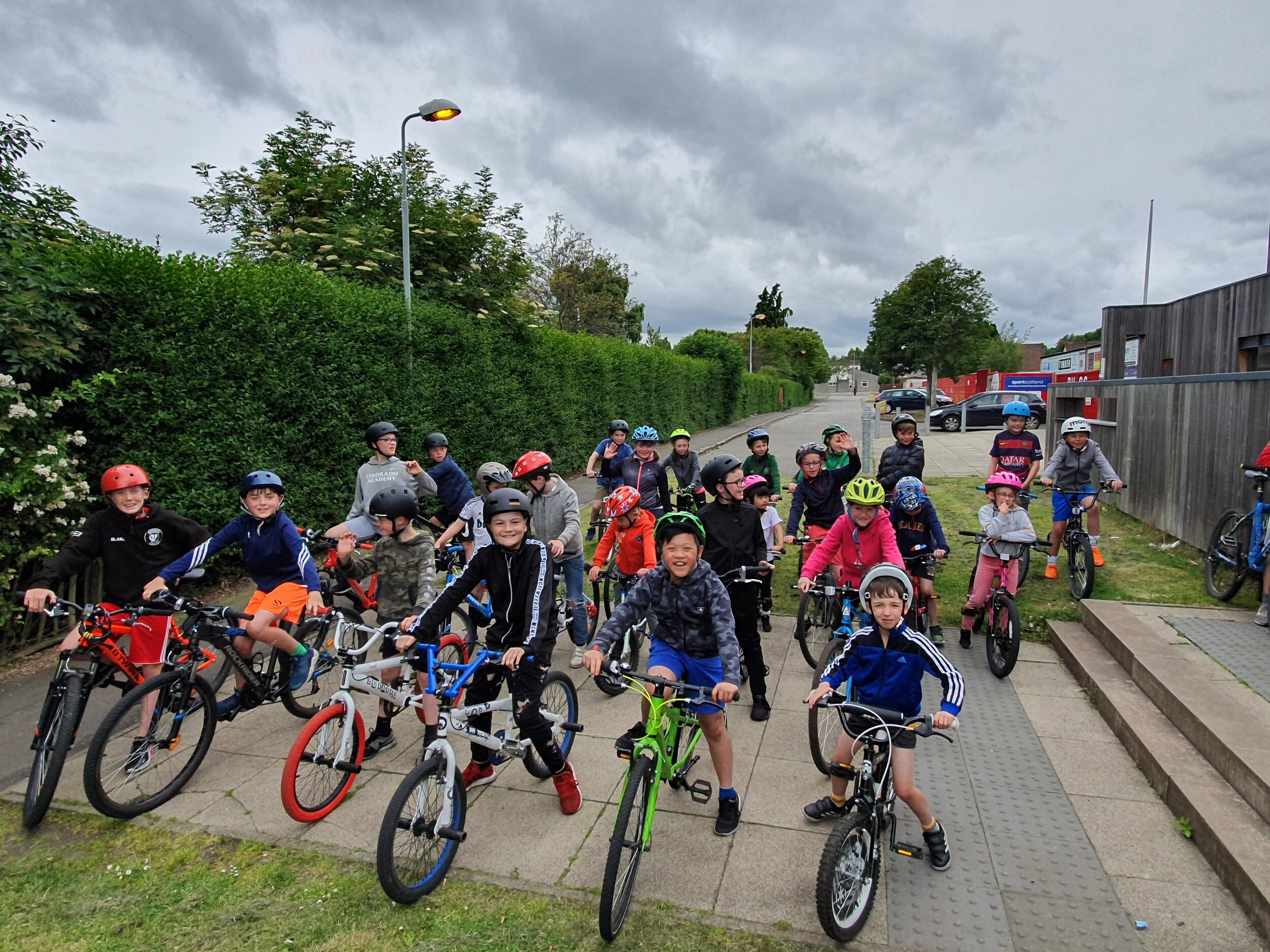
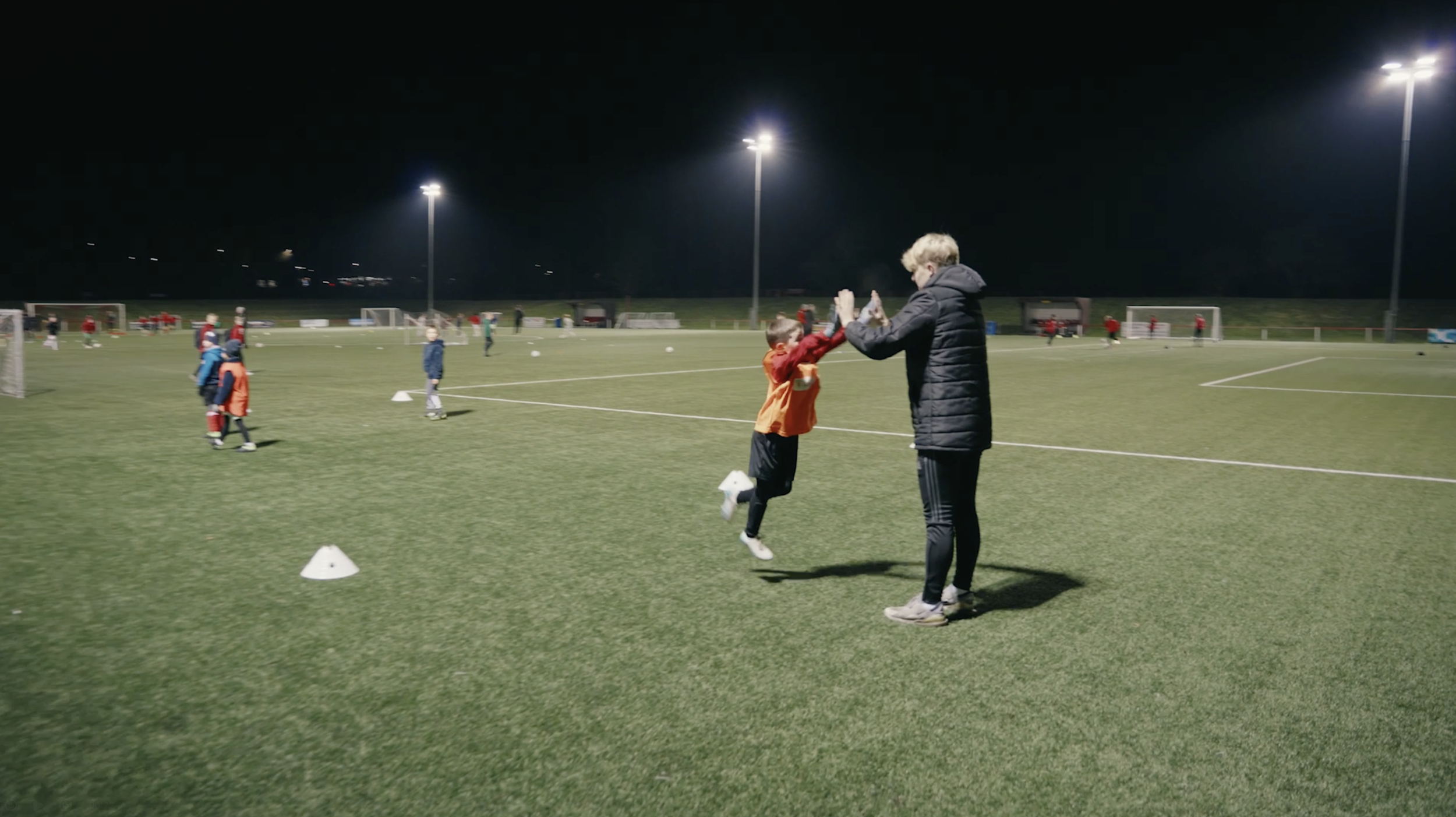
As a sports club, we aim to provide sporting, educational and social opportunities within our community to change lives for the better.
As a sports club, we aim to provide sporting, educational and social opportunities within our community to change lives for the better.

Broxburn United Sports Club (BUSC) play an important role in the local community, providing a safe and social sporting environment for a number of sports clubs and teams as well as a venue for a wide range of activities and events.
We create opportunities to develop skills, maximise potential and widen social circles.
Our ability to achieve our aims has been made possible by the state of the art facilities at our disposal after they were opened in 2010. The facilities include a full size 3G pitch, a boxing pavillion, multiple changing rooms, a physiotherapy treatment room, a community room and a café.

We are excited to announce that we are upgrading our booking experience. To better serve you, we are transitioning from ClassForKids to SportsKey, a powerful, all-in-one platform.
This move brings everything you need under one digital roof. Whether you are booking a pitch, signing up for a program, or managing your membership, you can now do it all in a few simple clicks.
What does this mean for you?
With SportsKey, you get a faster, mobile-friendly experience designed to give you total control over your activities. Here is what you can do on the new platform:
All-in-One Dashboard: No more jumping between different sites. Manage your memberships, look up class schedules, and rent spaces from a single profile.
Seamless Facility Hire: View real-time availability for our courts, fields, and facilities, and book your slots instantly 24/7.
Easy Program Sign-Ups: Enrolling yourself or your children in our upcoming programs, camps, and classes is now faster and more intuitive.
Secure, Hassle-Free Payments: Enjoy smooth, secure payment processing, easy invoicing, and immediate booking confirmations sent straight to your inbox.

Broxburn Athletic Colts F.C.
The Colts have many teams that range from primary school age groups, right through to our under 21 team. We welcome new players of all ages, as well as any volunteers who want to help with supporting young players to develop their football skills, keep fit and make new friends.

Broxburn Athletic Colts, who have several teams at various levels for girls and boys of all ages.

Broxburn Athletic Football Club who play in the Scottish Juniors East Region Superleague and call Albyn Park home.
At our home in the heart of Broxburn, Albyn Park, we support over 2000 people each week aged from six months to 90 years old, delivering over 100 sessions.
Make a difference and support your community.